Your Body Reacts Before Your Brain Even Knows What Happened

You’ve probably heard some version of this before. “Just calm down.” “Choose differently next time.” “You have more control than you think.”
Here’s why that advice falls apart in the actual moment. Your thinking brain is not first in line. It’s not even close.
The timeline nobody told you about
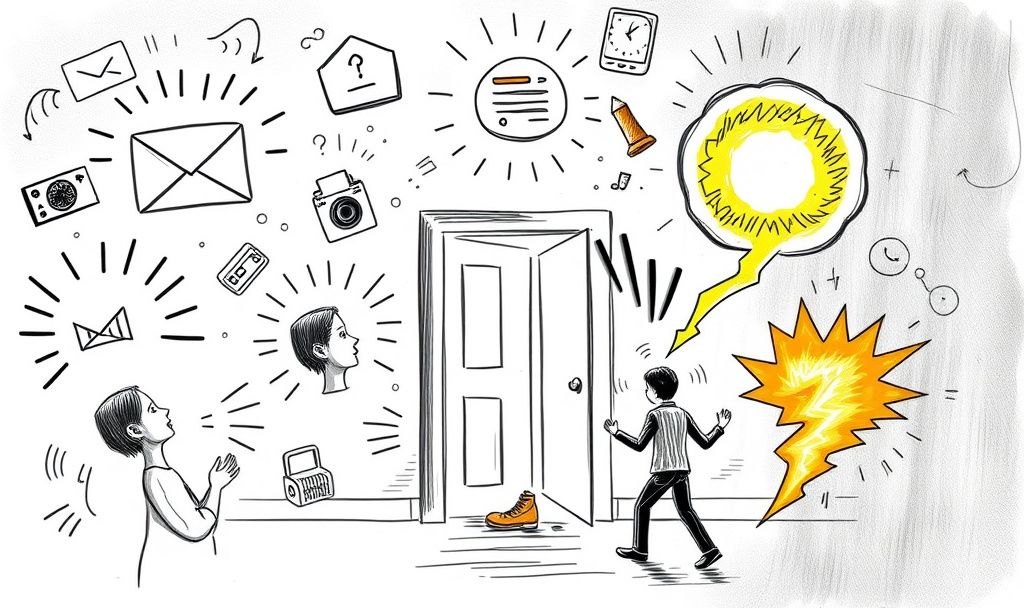
A trigger happens. A child screams. A door slams. An email lands wrong. Your partner sighs in a certain way.
Within 0.1 seconds, your vagus nerve is already asking one question: safe or dangerous? The vagus nerve is the longest nerve in your body, running from your brainstem down through your neck, chest, and abdomen, and it’s a major part of how your nervous system reads the world around you. It’s not evaluating what’s actually happening right now. It’s checking against every similar moment you’ve lived through before. This constant, below-conscious scan for safety or threat is called neuroception, a term coined by researcher Stephen Porges. You don’t choose it. You don’t get a say.
By 0.3 seconds, your nervous system has already picked a response. Maybe it’s fight or flight, your heart rate climbs, your muscles tighten, your breath goes shallow. Maybe it’s freeze, where everything goes numb and foggy. Or if your body reads the moment as safe enough, it’s social engagement. Your voice softens. Your eyes make contact. You stay open and present.
You don’t notice any of this until 3 to 5 seconds in. That’s when the feeling finally reaches your conscious mind. Anxiety. Rage. Panic. Numbness. Whatever shows up, it’s already been running the show for several seconds before you knew it was there.
Then, somewhere around 5 to 10 seconds after the trigger, you try to cope. Deep breath. Counting to ten. Whatever your therapist taught you last week.
Ever feel like you just can't control your reactions?
Every coping skill you know arrives 5 to 10 seconds after your body already decided how this was going to go.
Read that again.
Every coping skill you know arrives 5 to 10 seconds after your body already decided how this was going to go.
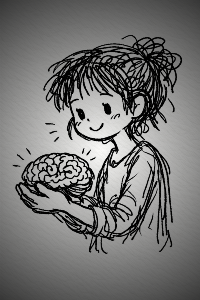
You aren’t failing to think clearly in the heat of the moment. Your thinking brain simply arrives several seconds after your nervous system has already initiated a response. This isn’t a lack of willpower; it’s a matter of biological timing. So… if you’ve ever felt ashamed for reacting “too big” or “too fast,” this is worth sitting with.
You didn’t choose that first wave.
NOBODY DOES.
Why the old advice doesn’t work
Without regular somatic practice, neuroception stays locked on old danger. Your body keeps scanning for threats that aren’t actually in the room anymore. Coping arrives too late to change the initial response. The cycle repeats, and it can feel like proof that something is wrong with you.
It isn’t. It’s a body that learned to protect you once and hasn’t gotten the update.
What actually helps
With consistent somatic work, body-based practices like breathwork, movement, or grounding exercises that regulate the nervous system directly instead of relying on thought alone, neuroception recalibrates. Here are 3 solid grounding exercises to try.
- 5-4-3-2-1 senses: Name 5 things you see, 4 you can touch, 3 you hear, 2 you smell, 1 you taste. It pulls your attention out of the loop in your head and back into the room you’re actually in.
- Feet on the floor: Press your feet firmly into the floor, focusing on the contact, weight, and temperature beneath you. This ten-second exercise works anywhere—even mid-conversation—to help you ground yourself when you cannot step away.
- Orienting: Orienting: Slowly scan your surroundings, resting your gaze on a few objects. This tells your nervous system you’ve assessed the space and are safe, which is more grounding than verbal reassurance.
Whey you try a grounding tool, your body starts reading for present safety instead of past danger. The gap between trigger and reaction widens, not through sheer willpower, but because your nervous system finally has the capacity to process the present moment. Through somatic practice, you create the space necessary for genuine choice to emerge, moving beyond the limitations of reactive biology.
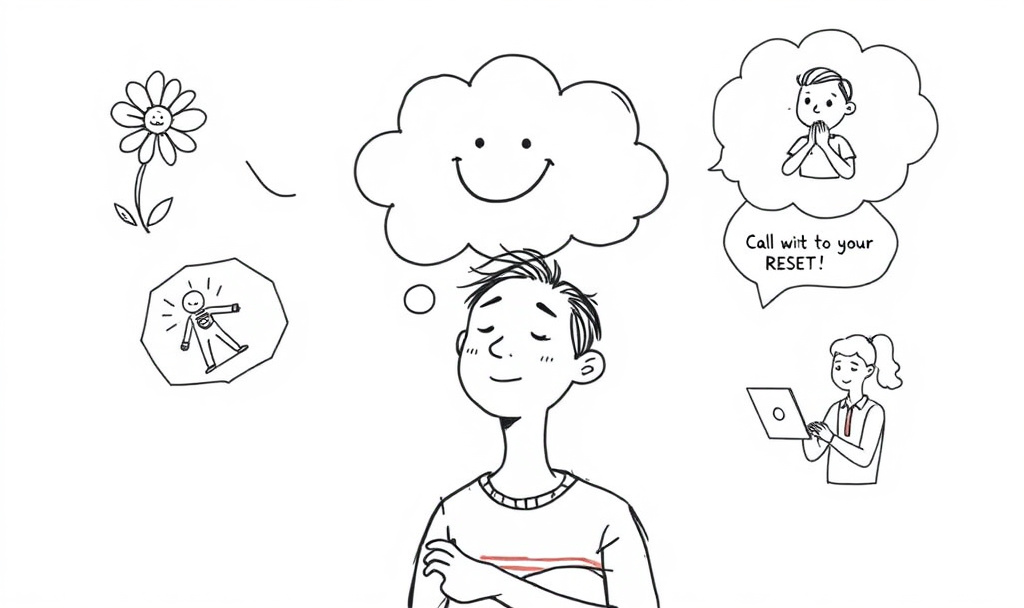
This wider gap is exactly where true choice becomes possible—not before the body reacts, and not by trying to override it. It only happens once your nervous system gathers enough evidence that it is safe in the present moment.
If you have been exhausted by trying to “think” your way out of involuntary, body-level reactions, now you know why it hasn’t worked. Stop judging yourself for “losing control.” Your nervous system is simply faster than your conscious brain. Learn why your body reacts before you can think, and how somatic practice—not willpower—is the true key to lasting change.