Honoring Neurodivergent Identity

A Comprehensive Guide to Language, Practice, and Meeting Clients Where They Are
Share
Honoring Neurodivergent Identity

Introduction: Embracing the Full Spectrum of Human Neurodiversity

In the evolving landscape of therapeutic practice, a transformative shift is occurring—one that moves beyond traditional deficit-based models toward a celebration of neurological diversity as a natural and valuable aspect of the human experience. This shift recognizes that autistic individuals, those with ADHD, dyslexia, dyspraxia, Tourette's syndrome, and other neurodivergent conditions bring unique strengths, perspectives, and gifts to our world.

At Gliszen Therapeutic, we stand at the forefront of this movement, embracing neurodiversity-affirming practices that honor each individual's authentic identity while applying the foundational social work principle of "meeting clients where they are." This approach transforms therapy from a space of attempted normalization to one of genuine empowerment, self-discovery, and celebration of neurodivergent excellence.

a close up of a plastic model of a human brain
Photo by Maxim Berg on Unsplash

The Language of Empowerment: Identity-First Terminology Across Neurodiversity

Our Commitment to Identity-First Language

At Gliszen Therapeutic, we embrace identity-first language (e.g., "autistic individual," "ADHD person," "dyslexic student") as our standard practice, recognizing this approach as both respectful and empowering to the communities we serve. Our commitment reflects a deep understanding that neurological differences are integral parts of a person's beautiful, multifaceted identity—not something to be separated, minimized, or pathologized.

We honor the wisdom of neurodivergent self-advocates who have consistently shared that identity-first language celebrates their whole selves and acknowledges their neurotype as a meaningful aspect of their identity, much like other cherished identities such as being artistic, athletic, or academically gifted. This language choice affirms that every person's neurological differences contribute to the rich tapestry of human diversity and experience.

The Science Behind the Language

Research consistently demonstrates the preference for identity-first language across neurodivergent communities:

Autism Community Preferences: Studies published in Autism found that 87% of autistic adults (n=299) preferred identity-first language terms to refer to themselves or others with autism, demonstrating clear community preference for this approach.

Professional Evolution: Research published in the Journal of Autism and Developmental Disorders emphasizes that language choices have material consequences for neurodivergent people and argues that "the debate in the use of person-first language versus identity-first language should centre first and foremost on the needs, autonomy, and rights of autistic people, so as to preserve their rights to self-determination."

Clinical Practice Guidelines: The American Occupational Therapy Association's official Practice Guidelines for Autistic People explicitly state: "This article uses the identity-first language autistic people... This language is favored by autistic communities and self-advocates and has been adopted by health care professionals and researchers."

Expanding Beyond Autism: Neurodiversity-Affirming Language

While much research has focused on autism, the principles of identity-first language extend across the neurodiversity spectrum. Neurodivergent individuals with ADHD, dyslexia, dyspraxia, and other neurotypes increasingly advocate for language that recognizes their conditions as integral aspects of their identity rather than external afflictions.

This approach acknowledges that:

  • ADHD minds bring creativity, innovation, and dynamic thinking patterns
  • Dyslexic individuals often possess exceptional spatial reasoning and creative problem-solving abilities
  • Those with dyspraxia contribute unique perspectives on movement, coordination, and adaptive strategies
  • Individuals with Tourette's syndrome demonstrate remarkable resilience and authenticity

The Neurodiversity Paradigm: Strength-Based Understanding

Reframing Difference as Diversity

The neurodiversity paradigm, pioneered by Australian sociologist Judy Singer in 1998, represents a fundamental shift in how we understand neurological differences. Rather than viewing autism, ADHD, dyslexia, and other neurotypes as disorders to be cured, the neurodiversity movement recognizes these as natural variations in human neurology—differences that have contributed to human survival and innovation throughout history.

This perspective understands that:

  • Diverse neurological wiring serves evolutionary purposes: Different environments and challenges require different types of thinking
  • Neurodivergent minds excel in specific areas: Autistic individuals often demonstrate exceptional attention to detail and pattern recognition; ADHD minds frequently exhibit remarkable creativity and outside-the-box thinking
  • Innovation emerges from neurological diversity: Many breakthrough discoveries and artistic achievements have emerged from neurodivergent minds

Moving Beyond Pathology: Celebrating Neurodivergent Excellence

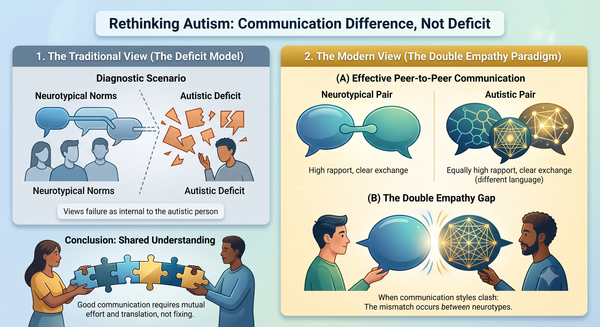
Neurodiversity-affirming practice recognizes that challenges experienced by neurodivergent individuals often stem from environments designed for neurotypical brains rather than from inherent deficits. This understanding leads to therapeutic approaches that:

Focus on Environmental Adaptation rather than trying to change the individual to fit inappropriate environments

Celebrate Unique Strengths while developing practical strategies for navigating a world often designed for neurotypical processing

Address Real Challenges like sensory overwhelm, executive function differences, and social communication variances—without pathologizing these as disorders requiring elimination

Promote Self-Advocacy and identity development, helping clients understand and articulate their needs with confidence and pride

Meeting Clients Where They Are: The Heart of Therapeutic Relationship

The Foundational Principle of Social Work

The social work principle of "meeting clients where they are" forms the cornerstone of effective, ethical therapeutic practice. This principle recognizes that every individual comes to therapy with their own unique experiences, cultural background, current circumstances, and personal goals. For neurodivergent clients, this principle takes on profound significance.

Meeting neurodivergent clients where they are means:

Honoring Their Current Understanding of their own neurodivergence, whether they're newly diagnosed, have been masking for years, or are exploring their identity

Respecting Their Communication Style and adapting therapeutic approaches to match their processing patterns rather than forcing neurotypical communication norms

Acknowledging Their Lived Experience as the expert of their own neurotype while providing professional support and resources

Supporting Their Goals rather than imposing external expectations about what "progress" should look like

Practical Applications in Neurodiversity-Affirming Therapy

Environmental Accommodations

  • Sensory Considerations: Adjusting lighting, sound, textures, and spatial arrangements to support individual sensory needs
  • Movement and Stimming: Welcoming and supporting self-regulatory behaviors like fidgeting, stimming, or movement during sessions
  • Communication Preferences: Offering various communication modalities including verbal, written, visual, or technology-assisted options

Session Structure and Pacing

  • Flexible Timing: Adapting session length and frequency to match individual attention spans and processing needs
  • Predictable Routines: Providing clear structure while remaining flexible to accommodate varying daily experiences
  • Interest Integration: Incorporating clients' special interests and passions as therapeutic tools and relationship-building opportunities

Collaborative Goal Setting

  • Client-Defined Success: Working with clients to identify what thriving means to them rather than imposing external standards
  • Identity Exploration: Supporting clients in understanding and embracing their neurodivergent identity
  • Self-Advocacy Development: Building skills for communicating needs and boundaries in various life contexts

Therapeutic Goals and Interventions: Beyond Normalization

Abandoning Harmful Practices

Neurodiversity-affirming therapy explicitly rejects interventions designed to make neurodivergent individuals appear more neurotypical. This includes:

Eliminating Masking Training: Avoiding therapeutic goals that teach neurodivergent individuals to suppress their natural behaviors and communication styles

Rejecting Compliance-Based Interventions: Moving away from approaches that prioritize obedience and conformity over authentic self-expression and autonomy

Avoiding Sensory "Tolerance" Training: Recognizing that forcing exposure to overwhelming sensory experiences is counterproductive and potentially traumatic

Embracing Affirming Interventions

Instead, neurodiversity-affirming therapy focuses on:

Identity Development and Self-Acceptance

  • Exploring the positive aspects of neurodivergent identity
  • Addressing internalized ableism and negative self-perceptions
  • Celebrating unique strengths and capabilities
  • Developing pride in neurodivergent identity

Practical Life Skills

  • Executive function strategies tailored to individual processing styles
  • Sensory regulation techniques and self-advocacy
  • Social navigation skills that honor authentic communication preferences
  • Stress management and burnout prevention

Environmental Advocacy

  • Teaching clients to identify supportive versus harmful environments
  • Developing skills for requesting accommodations
  • Building confidence in self-advocacy across settings
  • Creating networks of understanding and support

Addressing Co-occurring Challenges

  • Managing anxiety, depression, or trauma while honoring neurodivergent identity
  • Addressing sleep, eating, or health concerns through a neurodiversity-affirming lens
  • Supporting relationship development and maintenance

The Therapeutic Relationship: Authenticity and Mutual Respect

Creating Genuine Connection

The therapeutic relationship in neurodiversity-affirming practice is built on mutual respect, authenticity, and genuine appreciation for neurodivergent ways of being. This relationship differs from traditional therapeutic models in several key ways:

Abandoning the Expert-Patient Hierarchy: Recognizing that clients are the experts of their own experience while therapists provide professional knowledge and support

Embracing Authentic Communication: Welcoming direct communication, honoring different conversation styles, and adapting to individual social preferences

Validating Neurodivergent Experiences: Affirming that sensory differences, social challenges, and processing variations are valid aspects of human diversity

Supporting Self-Determination: Prioritizing client autonomy and choice in therapeutic goals and methods

Collaborative Partnership

Effective neurodiversity-affirming therapy operates as a collaborative partnership where:

  • Clients set the agenda based on their goals and priorities
  • Therapists provide resources and strategies tailored to individual neurotypes
  • Progress is measured by client-defined markers of wellbeing and growth
  • Setbacks are reframed as learning opportunities rather than failures

Building Supportive Ecosystems

Family and Caregiver Education

Neurodiversity-affirming practice extends beyond individual therapy to include:

Family Education: Helping families understand and celebrate their neurodivergent family member's unique qualities

School Advocacy: Collaborating with educational teams to create supportive learning environments

Community Building: Connecting clients with neurodivergent peer communities and support networks

Professional Development: Training other professionals in neurodiversity-affirming approaches

Systemic Change

True neurodiversity affirmation requires broader systemic changes:

Challenging Ableist Assumptions in healthcare, education, and employment settings

Advocating for Policy Changes that support neurodivergent rights and accommodations

Promoting Research that centers neurodivergent voices and priorities

Building Inclusive Communities that celebrate neurological diversity

The Transformative Power of Affirmation

Personal Transformation

When neurodivergent individuals receive truly affirming support, transformation occurs:

Increased Self-Esteem: Clients develop genuine appreciation for their unique qualities and contributions

Reduced Anxiety and Depression: Addressing root causes of distress rather than pathologizing natural differences

Enhanced Self-Advocacy: Building confidence to communicate needs and boundaries effectively

Authentic Relationships: Developing connections based on genuine acceptance rather than performed conformity

Life Satisfaction: Creating lives that align with individual values, interests, and processing styles

Societal Impact

Neurodiversity-affirming practice contributes to broader social change:

Reducing Stigma: Challenging misconceptions and stereotypes about neurodivergent individuals

Promoting Inclusion: Creating more accessible and welcoming environments for all

Celebrating Innovation: Recognizing the contributions that neurodivergent minds bring to society

Advancing Justice: Working toward equity and rights for neurodivergent communities

Conclusion: A Vision for the Future

At Gliszen Therapeutic, our commitment to neurodiversity-affirming practice represents more than a clinical approach—it's a vision for a world where every individual's neurological differences are celebrated as valuable contributions to the human experience. By embracing identity-first language, implementing the principle of meeting clients where they are, and fostering genuine therapeutic relationships, we create spaces where neurodivergent individuals can thrive authentically.

Our practice centers each client's voice and preferences as the ultimate guide. During our welcoming intake process, we thoughtfully explore language preferences with each individual and family, ensuring our communication honors their personal choices and fosters a therapeutic environment where everyone feels truly seen, valued, and respected.

This approach recognizes that true healing and growth occur not through conformity or masking, but through authentic self-acceptance, environmental adaptation, and community support. As we continue to evolve our understanding and practices, we remain committed to listening to neurodivergent voices, advocating for systemic change, and creating a future where neurological diversity is not just accepted but celebrated as an essential aspect of human excellence.

The journey toward full neurodiversity affirmation requires ongoing commitment, continuous learning, and unwavering respect for the self-determination of neurodivergent individuals. Together, we can build a world where every mind is valued, every difference is honored, and every person has the opportunity to flourish as their authentic self.


This article reflects evidence-based practices and the lived experiences of neurodivergent communities. Our approach continues to evolve as we learn from clients, advocates, and researchers who advance our understanding of neurodiversity-affirming care.