How We Feel the World and Ourselves

Understanding Interoception and Exteroception
Share
How We Feel the World and Ourselves

Have you ever noticed how your heart races before a big test or how a loud noise makes you jump? That’s your body giving you important information. Our brains constantly take in signals from two main sources—inside our body and outside in the world. These signals help us understand what’s going on and how to respond.
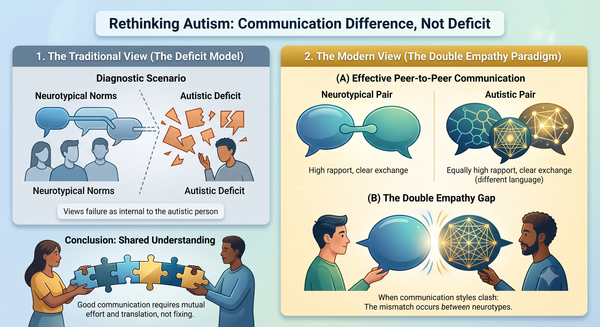

These two ways we feel and understand things are called interoception and exteroception.

diagram
Photo by GuerrillaBuzz on Unsplash

What Is Interoception?

Interoception is your brain’s way of sensing what’s going on inside your body. It helps you feel things like:

  • Your breathing
  • Your heartbeat
  • Hunger or fullness
  • Needing to go to the bathroom
  • If you’re hot or cold
  • If something hurts inside

It’s like your body has its own “check-in system” to help your brain know how you’re doing. This helps you stay healthy, calm, and balanced. For example, if you're feeling nervous and your stomach starts to hurt, that’s interoception at work.


What Is Exteroception?

Exteroception is how your brain picks up on what’s going on around you. These signals come from your five main senses:

  • Sight
  • Hearing
  • Smell
  • Taste
  • Touch

This system helps you understand the world outside, like seeing a rainbow, hearing music, or feeling the wind on your face.


When Both Work Together

Some things, like feeling pain or being aware of your body’s position, use both interoception and exteroception. These systems team up to help you understand your place in the world. For example, when you trip and scrape your knee, you feel pain (interoception) and see the scrape (exteroception).

Together, they help your brain create a complete picture of you in the world.


Why This Matters—Especially in Stress or Trauma

When something scary or upsetting happens, your body and brain remember it. This is especially true for people who have gone through trauma or have post-traumatic stress disorder (PTSD).

A study by Simmons and colleagues (2006) showed that people with PTSD often have trouble processing interoceptive signals. That means their brains may misread what’s going on inside their body, like thinking they’re in danger when they’re actually safe. This can lead to feeling tense, jumpy, or overwhelmed, even when nothing bad is happening.

Understanding how our body and brain work together can help people learn ways to calm their nervous system and feel safer.


Why It’s Helpful to Know

Knowing about interoception and exteroception can help you:

  • Understand your feelings better
  • Take care of your mental and physical health
  • Be more aware of how your body reacts to stress
  • Support others who may have experienced trauma

It’s like learning the user manual for your own body and brain. The more we understand these systems, the better we can handle life’s ups and downs.


Sources:
Simmons, A. N., Paulus, M. P., Thorp, S. R., Matthews, S. C., Norman, S. B., Stein, M. B. (2006). Functional activation and neural networks in women with posttraumatic stress disorder related to intimate partner violence. Biological Psychiatry, 60(8), 792–800.