The Journey of Late Autism Diagnosis
Grief, Identity, and Homecoming
As a therapist for Neurodivergent adults, this is a common area of my work. Autism is profoundly underdiagnosed in adults who were not children at the time the DSM was adapted. The DSM was first adapted for autism in 1980 with the publication of the third edition (DSM-III), which recognized infantile autism as a distinct diagnosis. Subsequent adaptations include the DSM-III-R in 1987, the DSM-IV in 1994, and the most recent adaptation, DSM-5, in 2013, which combined previous subcategories into the single diagnosis of Autism Spectrum Disorder (ASD). This leaves entire generations who never had this knowledge about differing neurology and understanding of their way of processing information. This article is based on my research and process working with Neurodivergent Adults and navigating the “coming out of the Matrix” experience they feel when they realize they’ve been Autistic “the whole time”. ~ Rachelle Goldenberg, Gliszen Therapeutic, LLC
When adults receive an autism diagnosis later in life, they often experience a powerful mix of emotions. There’s deep relief from finally understanding themselves. At the same time, there’s grief for all the years lived without that knowledge. This isn’t grief over who they are. It’s grief for who they were told they had to be. It’s grief for the child within them who never got the right support. It’s grief for a lifetime of feeling different without understanding why.
Understanding the Complexity of Late Diagnosis Grief
The grief that comes with late autism diagnosis is unique. Unlike traditional loss, this grief centers on losing a previously held identity. It involves mourning missed opportunities throughout life. Research with older autistic adults who received late diagnoses shows that many experience what one study called a “biographical disruption.” This means a complete reshaping of their entire life story based on new self-understanding.
This emotional journey often includes several layers of loss:
Grieving the Younger Self Who Didn’t Get Help
Many late-diagnosed adults look back with heartbreak at their younger selves. They see the child who struggled in school without understanding why. They remember the teenager who hid their true self to fit in socially. They recall the young adult who blamed themselves for difficulties that were actually brain differences. As one woman in a research study said: “I was exhausted trying to figure it out.” This exhaustion represents years, sometimes decades, of trying to navigate the world without the proper tools or understanding.

Mourning Missed Opportunities and Support
The diagnosis often reveals a painful truth. Life might have been different with earlier identification and the right support. School opportunities, career paths, relationships, and mental health could have been better. They could have been supported in ways that honored their needs instead of demanding impossible changes. Research shows that late-diagnosed individuals often spent years being misdiagnosed. They were frequently labeled with anxiety, depression, or other conditions when autism was the real issue needing different support.
Processing Identity Reconstruction
Perhaps most difficult is the grief of rebuilding your entire sense of self. For decades, many late-diagnosed adults built their identity around being “different,” “difficult,” or “broken.” The diagnosis requires breaking down these harmful beliefs. It means rebuilding a sense of self that sees being different as natural, not wrong. As people in one research study with older autistic adults described, receiving the diagnosis meant that “suddenly the first fifty years of my life made sense.” But this understanding comes with the painful realization of how much energy was spent trying to fit neurotypical expectations.
When Grief and Relief Exist Together
Here’s what makes this emotional journey especially complex. Grief and relief often exist side by side. The same diagnosis that brings clarity also opens the door to mourning. This isn’t a contradiction. It’s the full human experience of discovering a basic truth about yourself when so much life has already been lived.
The relief comes from finally having words to describe lifelong experiences. It brings the power to advocate for yourself. It brings the ability to ask for proper support. It gives you permission to honor sensory needs, communication preferences, and authentic ways of being. Research consistently shows that despite the challenges of late diagnosis, most adults report very positive feelings about receiving their diagnosis. It becomes, as one person described it, “a signpost that provided answers and guidance on how to approach life differently and feel proud of one’s identity.”
Yet this relief doesn’t erase the grief, nor should it. Both emotions deserve space. The late diagnosis often brings clarity about why certain life experiences were so hard. But it also highlights the years of struggle that happened without proper understanding or support.
Creating Space for All Your Feelings
In truly supportive spaces, there’s room for all the emotions that come with late diagnosis. Too often, autistic individuals feel pressure to respond to their diagnosis in specific ways. They feel they must either celebrate with pure joy or grieve it as a “tragedy.” Neither extreme honors the complex reality.
Here’s what a genuinely supportive approach looks like:
- Your grief doesn’t betray the autistic community. Mourning missed opportunities or the pain of growing up undiagnosed doesn’t mean viewing autism as negative. It means acknowledging the real harm caused by a world that fails to support neurodivergent people.
- You can celebrate and grieve at the same time. You can celebrate your autistic identity while grieving the lack of support you received throughout your life. These feelings aren’t opposites.
- Take the time you need. Identity reconstruction after a late diagnosis isn’t a one-time event. It’s an ongoing journey. Research emphasizes the importance of support after diagnosis to help people navigate this change and develop self-compassion.
- Your journey is yours alone. Some people quickly and positively integrate their autism diagnosis into their identity. Others may at first see it as something separate from themselves. Both responses are completely valid.
Pathways to Healing and Growth
While the grief of late diagnosis is real and significant, research also reveals pathways toward healing and positive growth:
Finding Community
Connecting with other autistic adults, especially those who share the experience of late diagnosis, can be deeply healing. These connections offer validation that “it’s not just me.” They provide a sense of belonging that many missed throughout their earlier years.
Reframing How You See Yourself
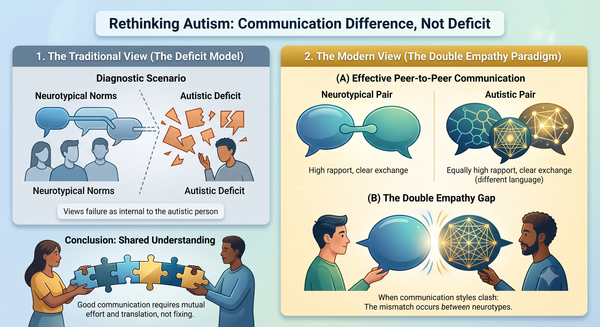
Moving from viewing autism as a deficit to seeing it as a natural difference allows you to view your traits as variations rather than disorders. This shift in perspective can transform self-criticism into self-acceptance and self-compassion.
Honoring Your Younger Self
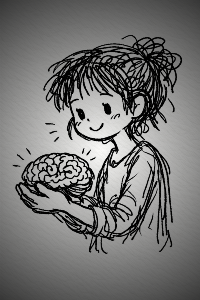
Many late-diagnosed individuals find healing through acknowledging their inner child. This is the part of themselves that survived without understanding or support. This might involve writing letters to your younger self, creating art about your journey, or simply offering yourself the compassion you never received.
Getting the Right Support
With a diagnosis comes the ability to seek autism-informed therapy. You can request workplace accommodations. You can build life structures that honor your needs. This practical support can significantly improve quality of life. It reduces the ongoing stress of trying to function in spaces designed for neurotypical people.
Learning to Advocate for Yourself
Understanding autism gives you the language and framework for self-advocacy. You can finally name your needs. You can set appropriate boundaries. You can make life choices that align with your authentic self rather than trying to meet impossible neurotypical standards.
A Message of Hope
If you’re navigating the complex emotions of late autism diagnosis, here’s what I want you to know. Your grief is real, and your joy is justified. Both are true. Both deserve space.
Your younger self was never broken. They were simply autistic in a world that didn’t provide the right support or understanding. You survived by adapting, masking, and trying to decode unwritten social rules without a manual. That took extraordinary strength and resilience.
Now, with diagnosis, comes the opportunity for something different. You can build a life that actually fits your neurodivergent brain. You can let go of the exhausting performance of pretending to be neurotypical. You can find your people. You can connect with other autistic adults who understand what it means to experience the world through an autistic lens.
The diagnosis isn’t an ending. It’s a homecoming. It’s a return to your authentic self after years of trying to be someone you were never meant to be.
Take time to grieve. Take time to celebrate. Take time to simply exist in whatever emotional space feels true in each moment. There’s no “right” way to respond to a late diagnosis. Your experience is valid. Your feelings are real. Your journey is uniquely yours.
And here’s something important to remember. Everything that made you “different” throughout your life has value. The intense focus, the pattern recognition, the depth of your interests, the honesty of your communication, the richness of your inner world. These aren’t flaws to overcome. They’re expressions of your beautiful, autistic neurology. You were always whole. The world is just finally catching up.
References
Hickey, A., Crabtree, J., & Stott, J. (2018). ‘Suddenly the first fifty years of my life made sense’: Experiences of older people with autism. Autism, 22(3), 357-367. https://doi.org/10.1177/1362361316680914
Leedham, A., Thompson, A. R., Smith, R., & Freeth, M. (2020). ‘I was exhausted trying to figure it out’: The experiences of females receiving an autism diagnosis in middle to late adulthood. Autism, 24(1), 135-146. https://doi.org/10.1177/1362361319853442
If you or someone you know is navigating a late autism diagnosis, remember that support is available. Consider connecting with autism-affirming therapists like me, joining online autistic communities, and exploring resources created by and for autistic adults. Your journey toward self-understanding and self-acceptance deserves compassionate support. I have more information and resources on my website at gliszentherapeutic.com