The Ripple Effect: Why Adult Accountability Shapes Tomorrow’s Children

Share
The Ripple Effect: Why Adult Accountability Shapes Tomorrow’s Children

I’ve been thinking about something that comes up in my practice with adults all the time. In today’s social climate, this opens a lot of wounds especially when our world leaders are failing to live up to ethics one would expect. Here, we work through their childhood trauma, unpack years of harm, and inevitably hit this moment where they ask: “Why didn’t anyone do anything?”


silhouette of woman standing while facing wall inside room
Photo by Alex Ronsdorf on Unsplash

At Gliszen Therapeutic, we work primarily with adults. But here’s what I’ve learned—every adult survivor was once a child watching how the grown-ups handled (or didn’t handle) harm. And now? They’re parents, teachers, leaders themselves, carrying those lessons forward.

The Generational Data We Can’t Ignore

Research from the American Journal of Preventive Medicine shows that adults with unaddressed childhood trauma are 3 times more likely to perpetuate cycles of harm—not because they’re bad people, but because nobody ever showed them what accountability actually looks like.

Here’s what keeps me up at night: The National Scientific Council on the Developing Child found that children who witness adults failing to protect them or hold others accountable develop fundamentally altered stress response systems. These kids grow into the adults in my office, twenty or thirty years later, still asking why nobody stood up for them.

When Leaders Set the Standard (Or Don’t)

I work with adults across all professions—teachers, healthcare workers, parents, executives. The data from organizational psychology research is crystal clear: employees who witness unethical behavior go unaddressed are 70% more likely to engage in similar behavior themselves. But flip that around—leaders who consistently model accountability see 45% higher ethical compliance across their entire organization.

This isn’t abstract. When my adult clients who are parents start holding themselves and others accountable, their kids notice. Studies from developmental psychology show children as young as three begin internalizing accountability models they observe. By age seven, these patterns are largely set.

A Neurodivergent Take on “Complicated” Situations

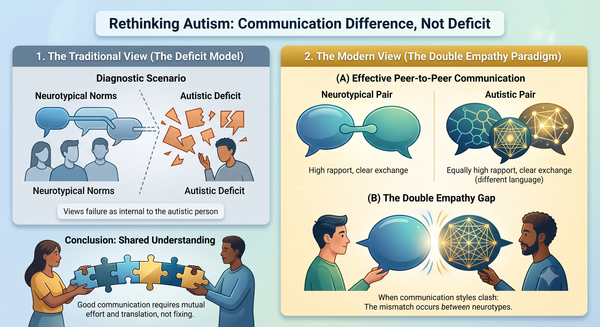
People tell me I see things too simply sometimes. My neurodivergent brain doesn’t always catch the supposed “nuance” in situations where powerful people harm others. But you know what? My adult clients—especially survivors—often say that clarity is exactly what they needed someone to model when they were younger.

The research supports this. A longitudinal study in the Journal of Moral Education found that children exposed to clear, consistent ethical boundaries from adult role models showed stronger moral reasoning abilities throughout their lives. Gray areas might be intellectually interesting, but kids (and traumatized adults) need to see grown-ups who know right from wrong.

brown concrete pavement
Photo by Ryan Stefan on Unsplash

What This Means for Our Adult Clients

Every adult in my practice is simultaneously healing their inner child and modeling for actual children in their lives. The ACEs research tells us that having just one safe, accountable adult can dramatically change a child’s trajectory. But here’s the thing—our clients can’t be that person if they’re still operating from a framework where accountability bends based on who’s involved.

When I work with adult survivors, we often process how the adults around them failed to act. Data from trauma recovery research shows that witnessing institutional betrayal (when systems protect perpetrators) can be as damaging as the original trauma itself. These clients then struggle to trust any system or authority figure—impacting their careers, relationships, and parenting.

The Leadership Imperative

Studies from the Ethics and Compliance Initiative show that organizations with strong ethical leadership see:

  • 40% less misconduct
  • 60% higher reporting of concerns
  • 35% better employee mental health outcomes

But beyond organizations, think about families. Adults who model accountability in their personal lives raise children who are 5 times more likely to report abuse or seek help when needed, according to data from the Crimes Against Children Research Center.

Breaking Cycles Through Adult Work

My practice focuses on adults because healed adults raise healthier children. The neuroscience is fascinating here—when adults address their trauma through therapy, their stress responses regulate, and this literally changes how they interact with children. Research from the Center on the Developing Child at Harvard shows that regulated adults create regulated environments, giving kids the safety they need to develop properly.

But healing isn’t just individual. When adult survivors see their therapists, their communities, their leaders take stands against harm—regardless of who’s involved—it rewrites their narrative about what’s possible. One study found that adult survivors who witnessed institutional accountability (even years after their own trauma) showed 30% better treatment outcomes.

Living Our Values Out Loud

At Gliszen Therapeutic, working with adults means we’re always working with the examples they’re setting. Whether they’re parents, aunts, uncles, teachers, or simply community members, kids are watching. The research from social learning theory has proven this for decades—children learn more from what we do than what we say.

When we refuse to make exceptions in accountability based on someone’s status or connections, we’re not just serving our adult clients. We’re showing every child in their orbit that some things are non-negotiable. That their safety matters more than anyone’s comfort or reputation.

The Path Forward

Working with adults to break these cycles requires us to:

  • Model the accountability we want to see—research shows therapeutic relationships that demonstrate clear boundaries improve client outcomes by 40%.
  • Address institutional betrayal directly—studies indicate that naming and validating these failures is crucial for survivor healing.
  • Support our adult clients in becoming the advocates they needed—data shows that survivor advocacy improves both individual healing and community prevention efforts.
  • Refuse to participate in cultures of silence—research consistently demonstrates that speaking up, even when uncomfortable, creates safer environments for everyone.

Why This Matters Now

Every adult client in our practices is connected to children—their own, their families’, their communities’. When we help them heal and model accountability, we’re not just changing one life. Longitudinal research shows that one healed, accountable adult influences an average of 8-10 children directly and dozens more indirectly.

The adults in our practices today are shaping how a generation of children will understand justice, safety, and their own worth. That’s not pressure—that’s opportunity.


How do you navigate these conversations about accountability and leadership with your adult clients? I’m curious how other practitioners help clients recognize their role in modeling ethical behavior for the young people in their lives.