What Brain Energy Research Tells Us About Neurodivergent Sensory Needs

When Beauty Means Less Work
New research from the University of Toronto just gave us scientific language for something many neurodivergent people have been saying for years: some environments just *cost* more to be in.
The study found that images people find beautiful are actually the ones that require less neural energy to process. Your brain is using about 20% of your body's total energy, and almost half of that goes to your visual system alone. When researchers measured brain activity while people looked at thousands of images, they found a clear pattern. The images rated as most aesthetically pleasing were consistently the ones that lit up fewer neurons and demanded less metabolic work.
Think about that for a second. What we experience as "easy on the eyes" is literally easier on the brain.
For neurodivergent folks, this isn't just an interesting factoid. This is validation.

The Real Cost of Busy Spaces
If you're autistic, ADHD, or otherwise neurodivergent, you probably already know that certain environments drain you faster than others. Fluorescent lights, cluttered spaces, busy patterns, unpredictable visual noise... these aren't just preferences or sensitivities. They're metabolic demands. Your visual system is working overtime to process all that input, and it's burning through energy you might need for literally everything else you're trying to do that day.
The researchers found that very simple environments (like a blank white room) are energy-efficient but understimulating. Very busy or chaotic spaces feel tiring and unpleasant. There's a sweet spot between enough visual interest to keep your brain engaged and too much complexity that exhausts your system.
This tracks perfectly with what we know about neurodivergent sensory processing. Many of us aren't just being "picky" about our environments. We're navigating real biological constraints around how much energy we have available for processing input.
Why School-Based Centers Need This Understanding
In my book, A Comprehensive Guide to School-Based Wellness Centers: Understanding the Need for Calming Spaces in Today's Schools, I wrote about the critical importance of creating spaces where students can regulate their nervous systems. This new research on brain energy and visual processing gives us the neuroscience backing for why calming spaces aren't a luxury—they're a necessity.
Schools are some of the most visually demanding environments we put kids in. Bright overhead lighting that flickers imperceptibly but constantly. Bulletin boards competing for attention on every wall. Colorful posters with text and images layered over each other. Busy floor patterns. Cluttered desks. High-contrast color schemes meant to be "stimulating."
For neurotypical kids, this might be manageable. For neurodivergent students, it's like asking them to learn calculus while running a marathon. Their visual systems are already burning through their daily energy budget just being in the classroom, before they've even tried to focus on the lesson.
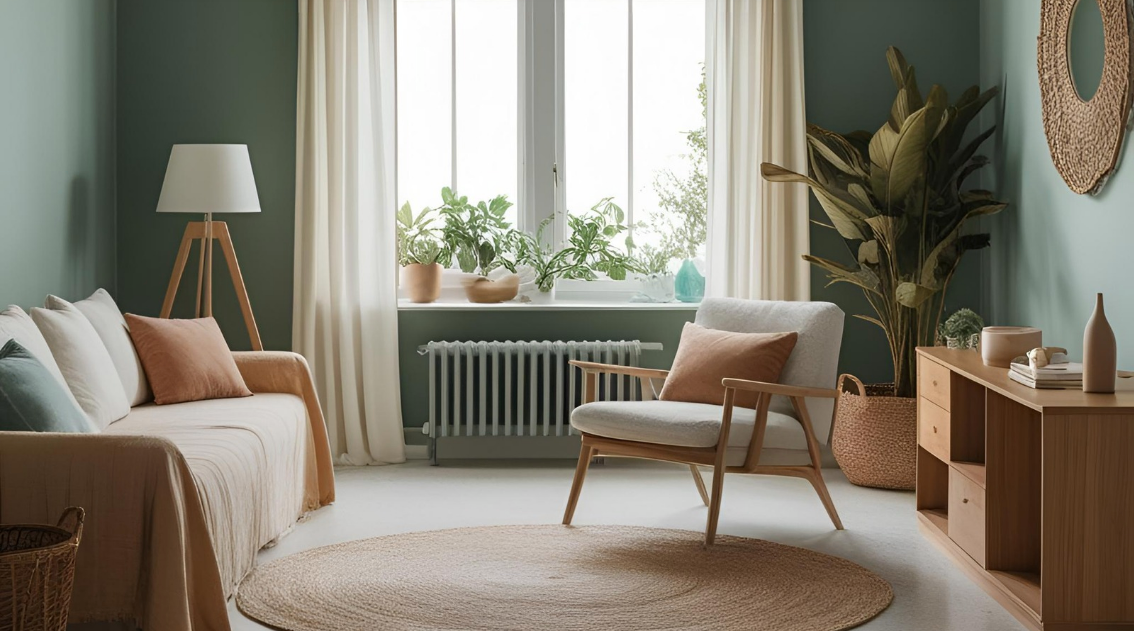
This is exactly why wellness centers in schools matter so much. When we design calming spaces intentionally—with soft, non-flickering lighting, uncluttered sight lines, colors that don't require high metabolic processing, and predictable visual organization—we're not just making things "nice." We're creating environments where students can literally conserve neural energy for learning, emotional regulation, and social engagement.
The research on beauty as energy efficiency validates what I've seen work in school-based wellness centers: students who seem "difficult" or "dysregulated" in standard classroom environments often transform when given access to spaces designed with their neurological needs in mind. It's not that they suddenly become better behaved. It's that they finally have enough energy left over to engage.

What This Means for Therapy Spaces
The implications go way beyond schools. If you're doing therapy, working on mental health, or creating any kind of healing space, the aesthetics aren't just about looking nice. They're about reducing the baseline energy cost of being in that space.
Traditional therapy offices often get this wrong. Busy wallpaper, cluttered bookshelves, fluorescent overhead lighting, multiple patterns competing for attention... even if the therapist is great, you're burning through cognitive resources just to exist in the room. That's energy you could be using for the actual therapeutic work.
A truly accessible therapy space considers visual energy cost:
- Lighting that doesn't flicker or create harsh contrasts
- Colors and patterns that provide interest without overwhelming
- Clear sight lines without excessive visual clutter
- Predictable layouts that your brain doesn't have to constantly re-map
This isn't about making everything beige and boring. It's about intentional design that respects how brains actually work.
Aesthetic Preferences as Self-Care Data
When a neurodivergent person tells you they can't focus in a certain room, or they need their desk organized a specific way, or they do better work in low-lighting... they're sharing real information about their neurological energy budget.
The research focused on quick, instinctive reactions to images, not deeper contemplation or meaning. That's important. Your first-impression aesthetic responses are giving you data about metabolic cost before your conscious mind even gets involved. Your brain knows what's expensive to process.
This means your aesthetic preferences for your living space, your workspace, your body, your wardrobe... these aren't arbitrary. They might be your nervous system steering you toward configurations that conserve energy for the things that actually matter to you.
Rethinking "Difficult" Students, Employees, and Clients
In mental health, social services, business, and education, we sometimes encounter what gets labeled as "difficult" preferences. Someone who needs very specific environmental conditions. Someone who seems "overly particular" about sensory details. Someone who shuts down in spaces that seem fine to everyone else.
What if we reframed that through this research? What if those preferences reflect someone whose visual system is already working at higher baseline cost due to neurological differences? They're not being difficult. They're trying to manage a real energy constraint.
When we honor those preferences instead of pathologizing them, we're actually supporting the person's capacity to engage in therapeutic work, learning, employment, or whatever they're trying to accomplish. This is why the wellness centers I advocate for in schools need to be designed with this understanding from the ground up—not as an afterthought, but as a foundational principle.
Practical Applications
If you're neurodivergent and trying to optimize your wellbeing:
Pay attention to which spaces feel effortless and which ones feel exhausting. Your aesthetic reactions contain information. That might mean curating your home environment more intentionally than neurotypical people need to. That might mean advocating for workspace accommodations that others don't understand. That might mean giving yourself permission to leave situations that are visually overwhelming, not because you're failing, but because you're managing a finite resource.
If you're a therapist, social worker, educator, or care provider:
Consider the metabolic cost of your spaces. What are you asking people's brains to process before they even start talking to you or trying to learn? Simple changes like adjustable lighting, reduced visual clutter, or offering people choice in where they sit can lower the energy barrier to access. If you're designing or advocating for wellness centers in schools, this research gives you the scientific backing to insist on thoughtful, calming design choices.
If you're supporting someone neurodivergent:
Believe them about their sensory needs. When someone says a space feels overwhelming or exhausting, they're reporting on real neural activity, not being dramatic or demanding.
The Bigger Picture
This research gives us new language for something disability justice advocates have been saying all along: accessibility isn't about special treatment, it's about removing barriers. If beauty is partially an energy-conservation strategy, then creating beautiful, accessible spaces—whether that's a school wellness center, a therapy office, or a home—is about making those spaces metabolically affordable to more kinds of brains.
Your nervous system is working with a budget. The environments you find beautiful might just be the ones that leave you with energy to spare for joy, connection, growth, and all the things that make life worth the effort.
That's not shallow or superficial. That's your brain taking care of you.
For more on creating effective calming spaces in schools, check out my book: A Comprehensive Guide to School-Based Wellness Centers: Understanding the Need for Calming Spaces in Today's Schools, available on Amazon. https://a.co/d/iPpEOqp