Your Brain on Gratitude

What the Research Actually Shows

Share
Your Brain on Gratitude

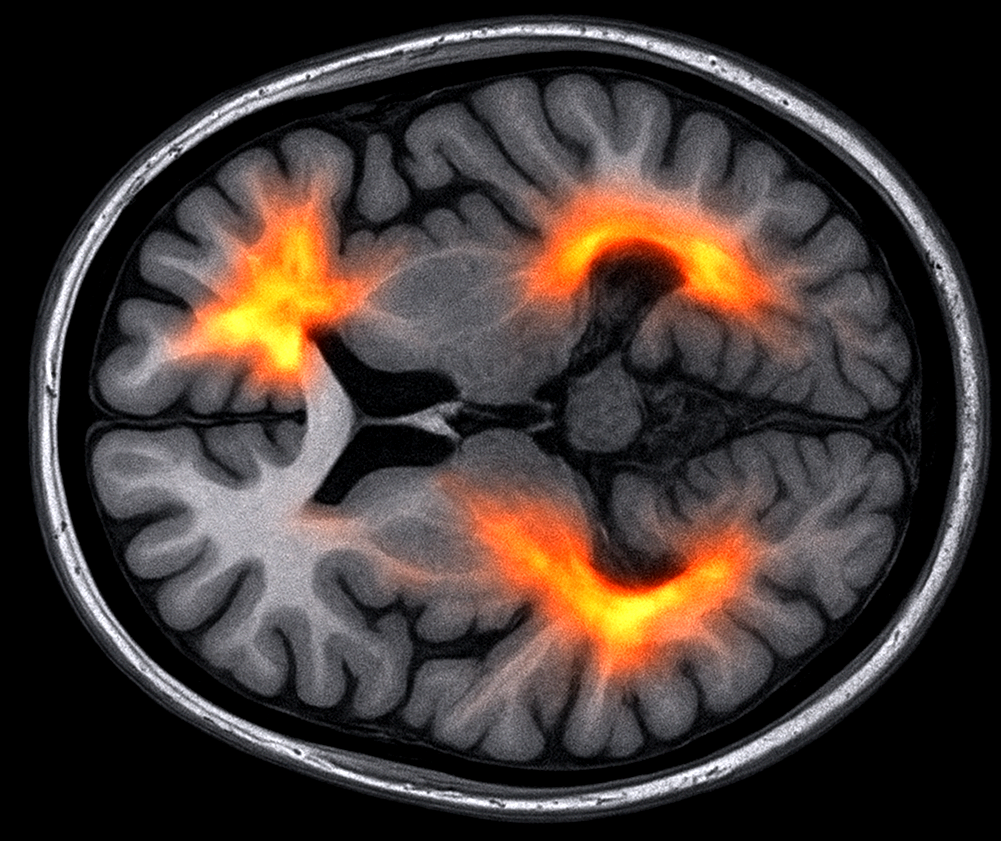
Gratitude - and this image - It’s pointing to something real. Research backs up the idea that gratitude practice can genuinely reshape how our brains work. Not in some vague “mindset” way, but in measurable, physical changes to neural pathways and brain activity.

A 2015 study led by neuroscientist Glenn Fox at USC used brain imaging to track what happens when people feel grateful. They found that gratitude activates specific areas tied to moral thinking, reward processing, and understanding other people’s perspectives - particularly the anterior cingulate cortex and medial prefrontal cortex.

Here’s where it gets interesting for resilience and focus: gratitude practice has been linked to decreased activity in the amygdala (your brain’s fear center), which means your stress and anxiety responses actually calm down over time. One study with people who kept gratitude journals found they were both happier and emotionally stronger.

The “rewiring” part isn’t just metaphor. Research published in NeuroImage showed that people who kept a daily gratitude journal for three months had increased gray matter in the prefrontal cortex - that’s the part of your brain handling emotional regulation, decision-making, and staying positive. Your brain is literally building new structure.

Studies on gratitude meditation found it changes resting-state connectivity in emotion and motivation-related brain regions. Translation? The changes stick around even when you’re not actively practicing.

What makes this especially neuroaffirming is that every time you focus on something you’re thankful for, those neurons fire together and strengthen their connection. Your brain’s default mode can shift from survival mode to appreciation mode. Power of Positivity You’re not forcing yourself to “think positive” - you’re training your brain to notice what’s already working.

The practice may also help with neuroplasticity itself, reinforcing positive neural pathways while making negative thought patterns less dominant. Calm That’s resilience building from the inside out.

The cool part? One research team found that people who did a simple gratitude writing exercise showed greater neural sensitivity to gratitude in the medial prefrontal cortex three months later. The changes lasted.

So yeah, gratitude actually does rewire your brain for resilience and focus. Not because someone said it would be nice if it did, but because neuroscience can literally see it happening.

Key Studies to check out:

  • Fox et al., 2015 - “Neural correlates of gratitude” (Frontiers in Psychology)
  • Kini et al., 2016 - “The effects of gratitude expression on neural activity” (NeuroImage)
  • McCanlies et al., 2018 - Gratitude journaling and emotional strength