
Relationships
When Unmasking Changes Our Relationships
Check Out This Neuroaffirming Guide to LOVE After Late Diagnosis

Relationships
Check Out This Neuroaffirming Guide to LOVE After Late Diagnosis

Therapy
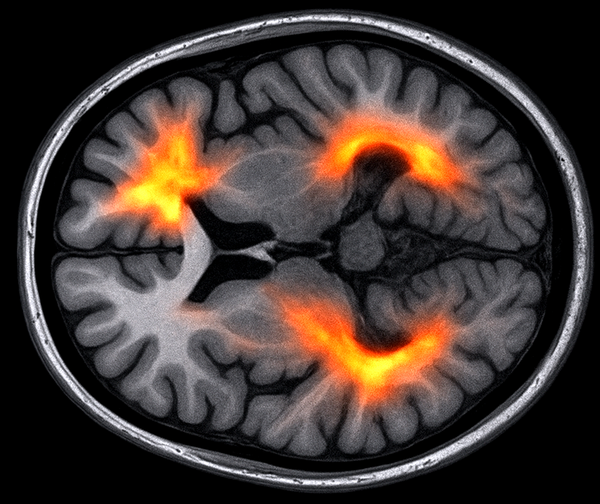
Okay, so this research is pretty wild. MIT scientists found something that might help explain why our brains feel so foggy after bad sleep—and it’s especially relevant if you’re autistic or neurodivergent, since sleep struggles are so common for us. Subscribe What They Actually Found Your brain
Neurotype
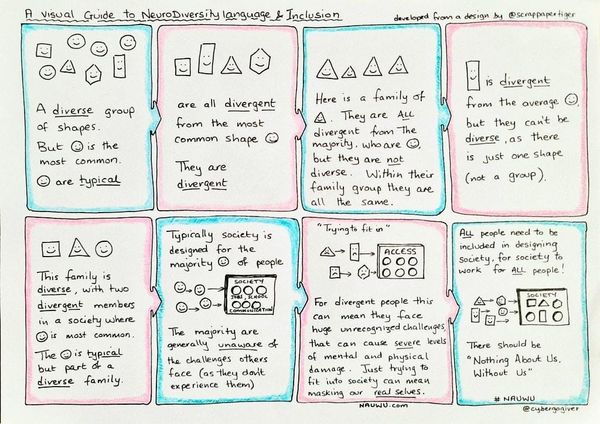
What the Research Actually Shows
Neurotype
GliszenTherapeutic.com - gliszentherapeutic.substack.com
Neurotype
The conversation around autism and ADHD is shifting, and it’s about time. For too long, we’ve approached these neurotypes through a lens of deficit and dysfunction. We’ve asked “What’s wrong?” when we should have been asking “What does this person need?” We’ve tried to fix

Education
A Neurodivergent Perspective on Workplace Trauma

Affirming
If you’re reading this, you might be facing a big change - maybe starting college, looking for work, moving somewhere new, or figuring out relationships. Transitions can feel overwhelming, especially when the world wasn’t built with our needs in mind. But here’s what I’ve learned supporting autistic
Neurotype
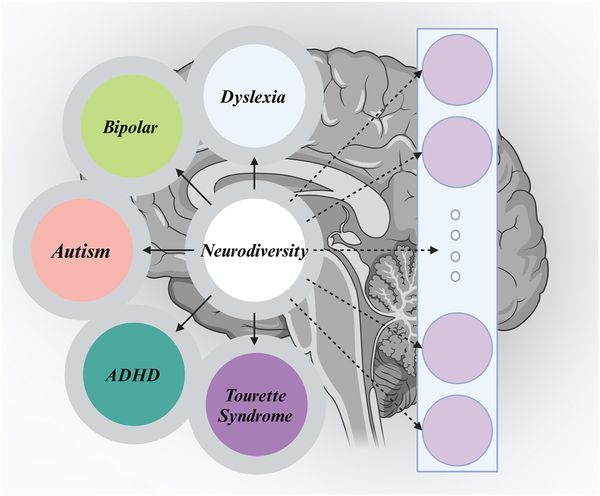
Reframing Difference as Strength A transformative shift is happening in how we understand neurodivergence. Conditions like autism, ADHD, dyslexia, and other neurological differences aren’t deficits requiring correction. They’re natural expressions of human diversity, each bringing unique strengths, perspectives, and gifts. Neurodivergence Is Not Mental Illness Here’s what
Neurotype
Reimagining Neurodiversity as Human Brilliance

Neurotype
A Fictional Story of Second Chances and First Opportunities (a lesson in acceptance)

sensory
A Comprehensive Guide to Language, Practice, and Meeting Clients Where They Are

Neurotype
Our identities are beautifully complex tapestries woven from countless threads of experience, perception, and self-understanding. Among these essential elements are our gender identity and neurological makeup—two fundamental aspects of who we are that shape how we move through the world. When we explore the intersection of gender identity